

ART25 Consulting
ART25 Consulting
We operate at the intersection of AI, technology, governance, data protection, and digital risk.
Our work focuses on identifying, understanding, and managing AI risk across systems, suppliers, and decision-making environments. We address emerging and novel AI risks beyond compliance, embedding them into GRC models that reflect real operational complexity.
We bridge strategy and execution, ensuring governance frameworks are both strategically sound and practical across the lines of defense. We turn ambiguity into structured, actionable guidance.
The result is governance that works in practice, not just on paper.
Across organisations, public institutions, and AI-driven startups and scale-ups, we address AI risk from a holistic GRC perspective. Our approach brings together technology, risk, security, and compliance into a unified model that strengthens trust, accountability, and long-term resilience.
Working closely with DPOs, CIOs, CROs, CISOs, CFOs, and CEOs across the lines of defense.
Artificial Intelligence is rapidly reshaping markets, decision-making, cybersecurity, and societal resilience.
Recent discussions within the Swedish AI ecosystem, including AI Sweden, together with findings from the National Board of Trade Sweden and ENISA, highlight growing concerns around collective AI-related risks, increasingly sophisticated cyber threats, interconnected supplier dependencies, and the accelerating gap between technological capability and organizational preparedness.
At the same time, rapidly evolving frontier AI systems are introducing new operational, governance, and security challenges across both the public and private sectors.
Our position is clear.
There is an urgent need to strengthen organizational resilience, governance maturity, and practical cross-domain risk oversight capabilities. This requires integrated approaches across AI governance, cybersecurity, privacy, supplier governance, operational risk, and compliance, embedded directly into real operational environments rather than treated as isolated functions.
Reference AI Sweden — AI and Resilience
Reference National Board of Trade Sweden — AI Governance and Collective Risks
Regulatory frameworks and traditional GRC models remain too static to address the scale, speed, and interconnected nature of AI risk in practice. While frameworks such as the EU AI Act set important direction, they are still evolving, with gaps in enforcement and limitations in addressing real-world complexity.
At the same time, most organisations operate in silos. Risk is fragmented across data protection, cybersecurity, third-party risk, intellectual property, people and culture, and operational functions, with limited coordination across the lines of defense. This results in weak visibility, inconsistent controls, and a lack of structured supplier governance, where organisations often do not know what to assess, challenge, or require from their vendors.
The result is a governance gap. Not because frameworks do not exist, but because they are not designed to operate across domains, at scale, or in real time.
We bring deep experience from critical infrastructure environments, including work shaped by the Swedish Protective Security Act, combined with the design and delivery of GRC technology and SaaS solutions in complex, high-risk settings.
Our approach is grounded in execution. We build governance models and supporting systems that are credible, scalable, and aligned with how organisations actually operate.
We combine AI governance expertise with strong capabilities in AI development, enabling us to identify, assess, and address risks at their source. This includes the use of advanced AI techniques to monitor, analyse, and respond to evolving threats, particularly in environments where autonomous and agentic systems are emerging.
The result is governance that is not only structured, but intelligent, adaptive, and built to hold in practice.
We connect legal, policy, technical, AI, and GRC perspectives into a single, coherent approach to governance. This ensures that risk is not managed in isolation, but across systems, suppliers, and decision-making environments.
Our focus is on execution. We embed governance and agentic AI-enabled GRC technology into systems, processes, and organisational structures, enabling organisations to manage AI risk in real time across the lines of defense, from strategic oversight to operational control.
In parallel, we contribute to advancing the broader AI governance ecosystem, supporting initiatives that strengthen practices across Sweden, Europe, and beyond.
AI is moving faster than governance. The question is whether your organisation is keeping up.

Mission, Vision & Values
Mission
Advancing digital sovereignty and societal readiness through future-proof data protection and responsible governance of artificial intelligence and emerging technologies.
Vision
Our vision is to shape a trusted digital future where artificial intelligence and emerging technologies serve the public good, reinforce democratic values, and empower nations to govern data with sovereignty, security, and accountability.
A chain is only as weak as its weakest link.
We work across the European ecosystem and beyond to strengthen collective resilience and address AI risk as a shared responsibility.
Positivity
Operate with a constructive mindset in a complex world, focusing on the positive impact AI can create while addressing its risks with clarity and responsibility.
Knowledge Sharing
Share knowledge and best practices across industry peers, contributing to a more aligned ecosystem where organisations learn from each other rather than operate in isolation.
Collaboration
Collaborate across industries, disciplines, and sectors, bringing together organisations, regulators, experts, and the creative community to address AI risk at scale across Europe and beyond.
Freedom
Act with independence and integrity, challenging assumptions and making decisions based on risk, not convenience or pressure.
Responsibility
Take ownership of real-world impact, ensuring that governance is not only designed, but applied, monitored, and continuously improved.
Social Engagement
Actively engage across all layers of society, from public figures and media to institutions and experts, recognising that awareness of AI risk remains a critical gap in interconnected environments.
-

Hummam Wasfi
FOUNDER & CEO
AI GOVERNANCE, DATA PROTECTION, GRC STRATEGY & TECHNOLOGY ADVISOR -

Joost van Dam
CO-FOUNDER, BUSINESS STRATEGY, TRANSFORMATION & ALLIANCES PARTNER
-

Michelle Rockwell
FRACTIONAL COO
-
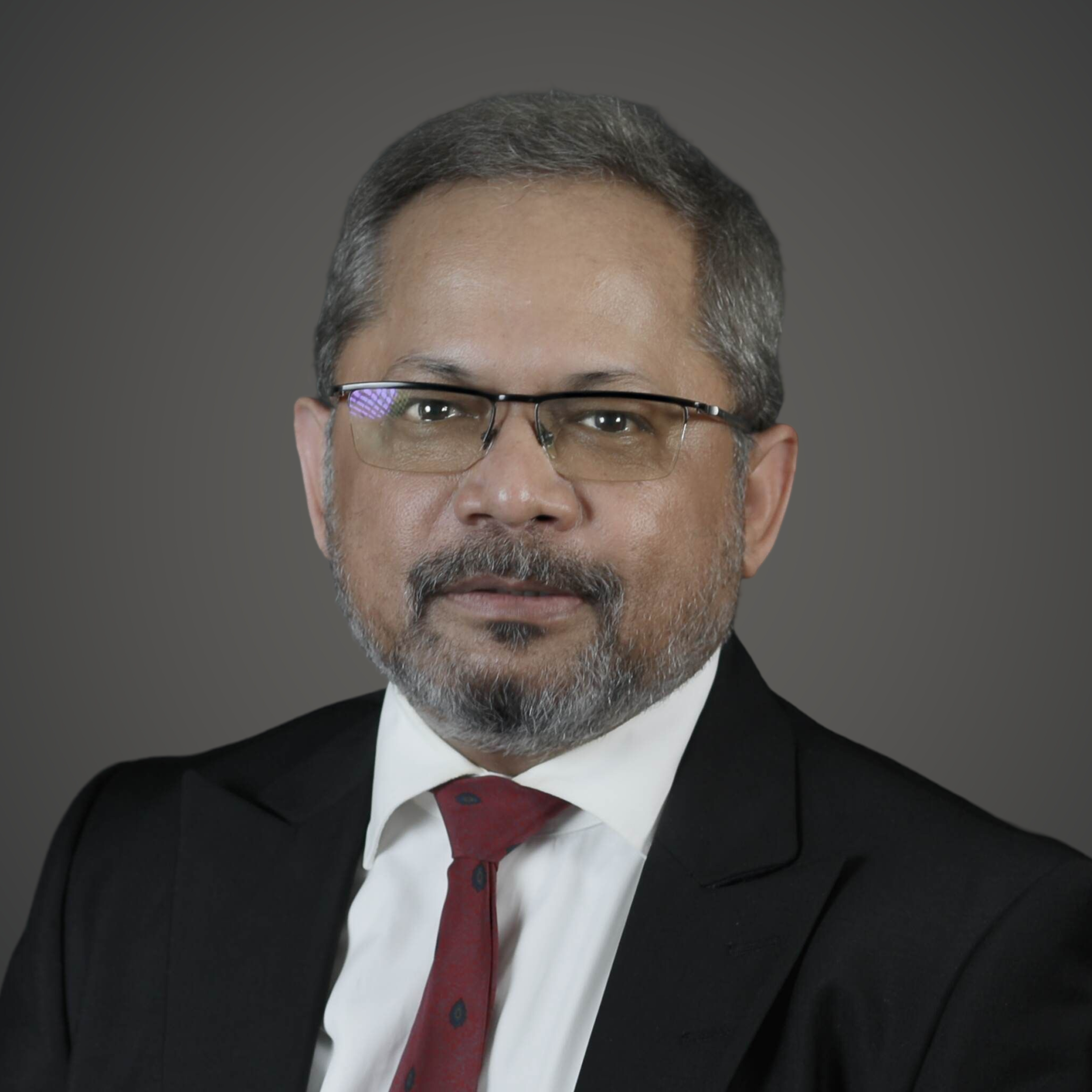
Debraj Das
SENIOR TECHNOLOGY ADVISOR & BOARD MEMBER
-

Rinaldo Baldi
BOARD MEMBER & GROWTH ADVISOR
-

Priscilla Carlsson
MEMBER OF TECHNICAL STAFF, PRODUCT & CREATIVE
-

Alexander Rydberg
ECOSYSTEM AMBASSADOR, INVESTOR RELATIONS, SALES

The name Art25
Refers to Article 25 of the General Data Protection Regulation: Privacy by Design and by Default.
The principle requires that privacy, security, and accountability are embedded from the outset, at the stage of ideation, system design, and throughout operational governance. This includes continuous monitoring, structured risk management, and meaningful human oversight across the lifecycle of AI systems.
As algorithms increasingly influence public opinion and beliefs, national safety and security, access to services, and automated decision-making, they shape power, opportunity, and rights at scale.
Without effective governance, sustained oversight, and clear accountability, this unprecedented technological reality risks undermining trust, weakening democratic values, and eroding fundamental rights.